Oregon receives enough rainfall to make rainwater harvesting a practical and rewarding project for homeowners. Portland averages roughly 43 inches of rain per year, most of it falling between October and May. All of that water hits your roof, flows through your gutters, and typically gets dumped into the yard or storm drain. With a simple collection system connected to your downspouts, you can capture hundreds or even thousands of gallons per season for garden irrigation, lawn watering, and other outdoor uses.
One of the most common questions homeowners ask before setting up a rainwater collection system is whether it is legal. In Oregon, the answer is straightforward. Residential rainwater harvesting from rooftop surfaces is legal and does not require a permit. Oregon law explicitly allows property owners to collect rainwater that falls on their own roofs, making it one of the most friendly states in the country for this practice.
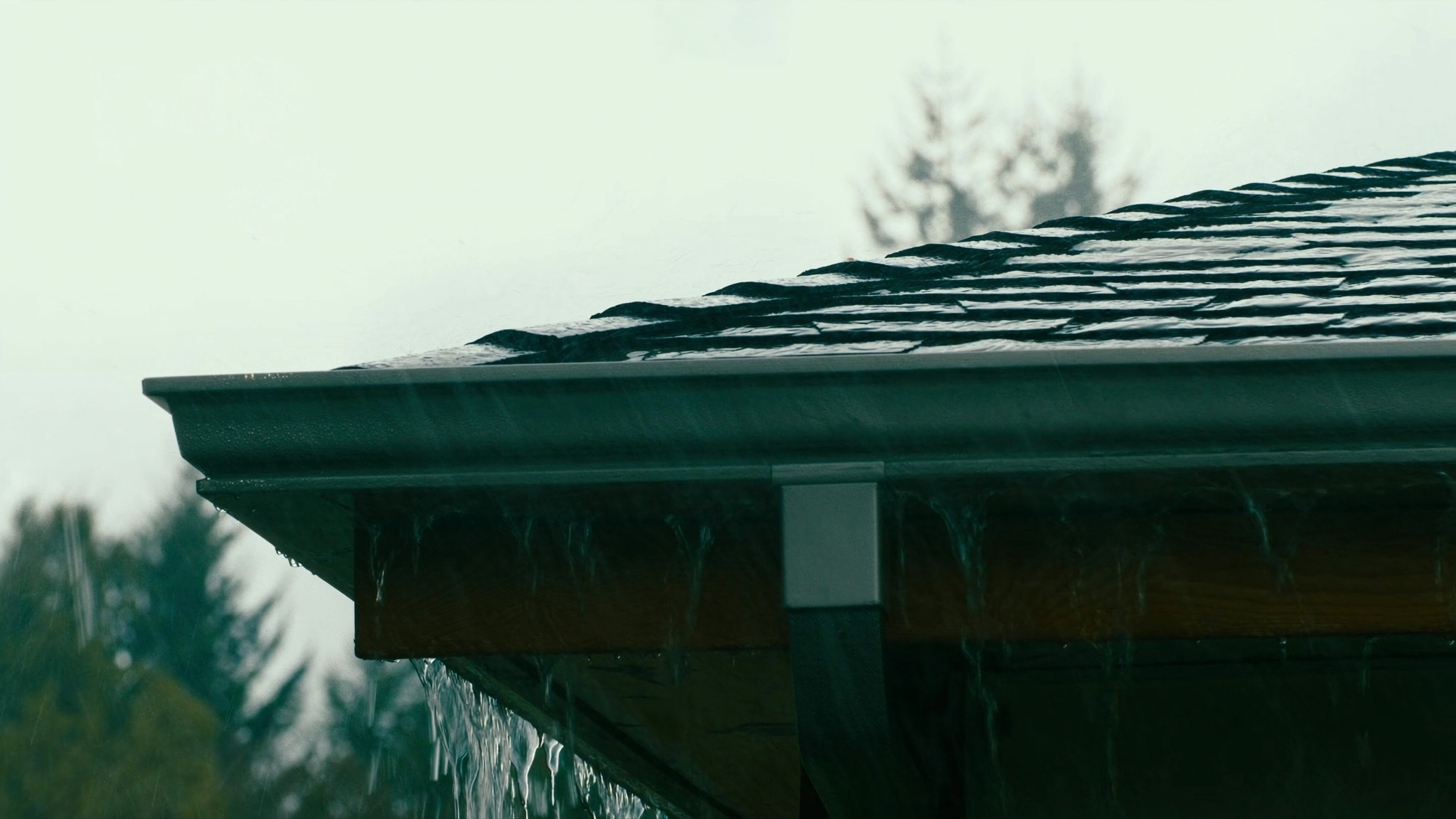
How to Set Up a Rain Barrel System
The basic components of a rainwater harvesting system are a collection surface (your roof), a conveyance system (your gutters and downspouts), a diverter or connector, a storage container, and an overflow outlet. The simplest version is a single rain barrel placed under a downspout with a diverter that routes water into the barrel when there is room and bypasses it when the barrel is full.
Rain barrels are available in sizes ranging from 50 to 100 gallons at most garden centers and home improvement stores in the Portland area. For a basic setup, choose a barrel with a spigot near the bottom for attaching a garden hose, a screened inlet on top to keep mosquitoes and debris out, and an overflow port near the top that routes excess water away from your foundation.
The downspout diverter is the key component that connects your gutter system to the rain barrel. Several styles are available. The simplest is a flexible elbow that redirects the bottom of the downspout into the barrel opening. More sophisticated diverters install inline in the downspout and automatically route water to the barrel until it is full, then redirect flow back to the original downspout path. These inline diverters are the better option because they eliminate the need to manually switch the downspout between collection and bypass mode.
Placement matters. Your rain barrel should sit on a stable, level surface that is elevated enough to provide gravity fed pressure through the spigot. Many homeowners place their barrel on a platform of cinder blocks or a purpose built wooden stand. A full 55 gallon rain barrel weighs over 450 pounds, so the platform needs to be solid. Position the barrel close to the garden beds or lawn areas you plan to irrigate to minimize hose runs.
First Flush Diverters and Water Quality
The first rain after a dry period washes accumulated dust, pollen, bird droppings, and other contaminants off your roof surface. This initial runoff, known as the first flush, contains the highest concentration of pollutants and should be diverted away from your collection barrel rather than stored for garden use.
A first flush diverter is a simple device that captures the initial volume of runoff and discards it before allowing clean water to flow into your storage tank. Most first flush diverters are a short section of pipe with a ball valve that fills up with the initial dirty water and then seals, redirecting subsequent clean water to the barrel. After the rain event, you open the valve to drain the first flush chamber so it is ready for the next storm.
For garden irrigation, the water quality from a standard asphalt shingle or metal roof is perfectly adequate after the first flush is diverted. The water is not treated or filtered to drinking standards, but plants do not need that level of purity. In fact, rainwater is often better for plants than treated municipal water because it is naturally soft, free of chlorine, and slightly acidic, which many Pacific Northwest plants prefer.
If your roof is made of cedar shakes or treated wood, be aware that the runoff may contain tannins and preservative chemicals that can affect sensitive plants. Metal and asphalt roofs produce the cleanest runoff for garden use. Composite shingle roofs, which are the most common in the Portland area, are fine for rainwater collection after the first few years when initial chemical off gassing from the shingle material has subsided.
Scaling Up and Seasonal Considerations
A single 55 gallon rain barrel fills up fast in Oregon. A 1,000 square foot roof section produces about 600 gallons of water from a single inch of rain. During a typical October storm that drops half an inch, that same roof section generates 300 gallons. Your 55 gallon barrel fills up in minutes and the rest goes to overflow.
Homeowners who are serious about rainwater harvesting often install multiple barrels linked together or upgrade to larger storage tanks in the 200 to 500 gallon range. These larger systems capture a meaningful portion of the seasonal rainfall and provide enough stored water to irrigate a garden through Portland's dry summer months without relying on municipal water.
For larger systems, consider connecting multiple downspouts to a single tank using underground piping. This maximizes the roof area you are collecting from and consolidates storage in one location. We can help configure your downspout routing to feed a rainwater collection system as part of a new gutter installation or as a modification to your existing system.
The key maintenance task for any rainwater system is keeping your gutters clean. Debris that flows from clogged gutters into your storage tank introduces organic matter that can cause odor and bacterial growth. Homes with gutter guards have a significant advantage for rainwater harvesting because the water entering the downspouts is already filtered of leaves, needles, and other large debris.
Oregon's climate makes rainwater harvesting both easy and practical. The rain comes when your barrel needs filling, and the dry summer months are exactly when your garden needs the stored water most. A well maintained gutter system is the foundation of any successful rainwater collection setup, and we are happy to help Portland area homeowners configure their gutters to support harvesting.