Oregon winters are defined by long stretches of steady rain, occasional freezing temperatures, and the aftermath of fall leaf drop. For homeowners in the Portland metro area, the period between October and March puts more demand on your gutter system than any other time of year. Gutters that are not properly prepared for winter can lead to water damage, foundation erosion, and costly repairs. The good news is that a few hours of preparation in the fall can prevent most of these problems entirely.
The Fall Cleaning Checklist
The single most important thing you can do for your gutters before winter is to clean them thoroughly. In Portland and the surrounding areas, the sheer volume of leaves, fir needles, and moss that accumulates in gutters during autumn is remarkable. Douglas fir needles are especially problematic because they are small enough to pack tightly and form dense clogs that water cannot penetrate.
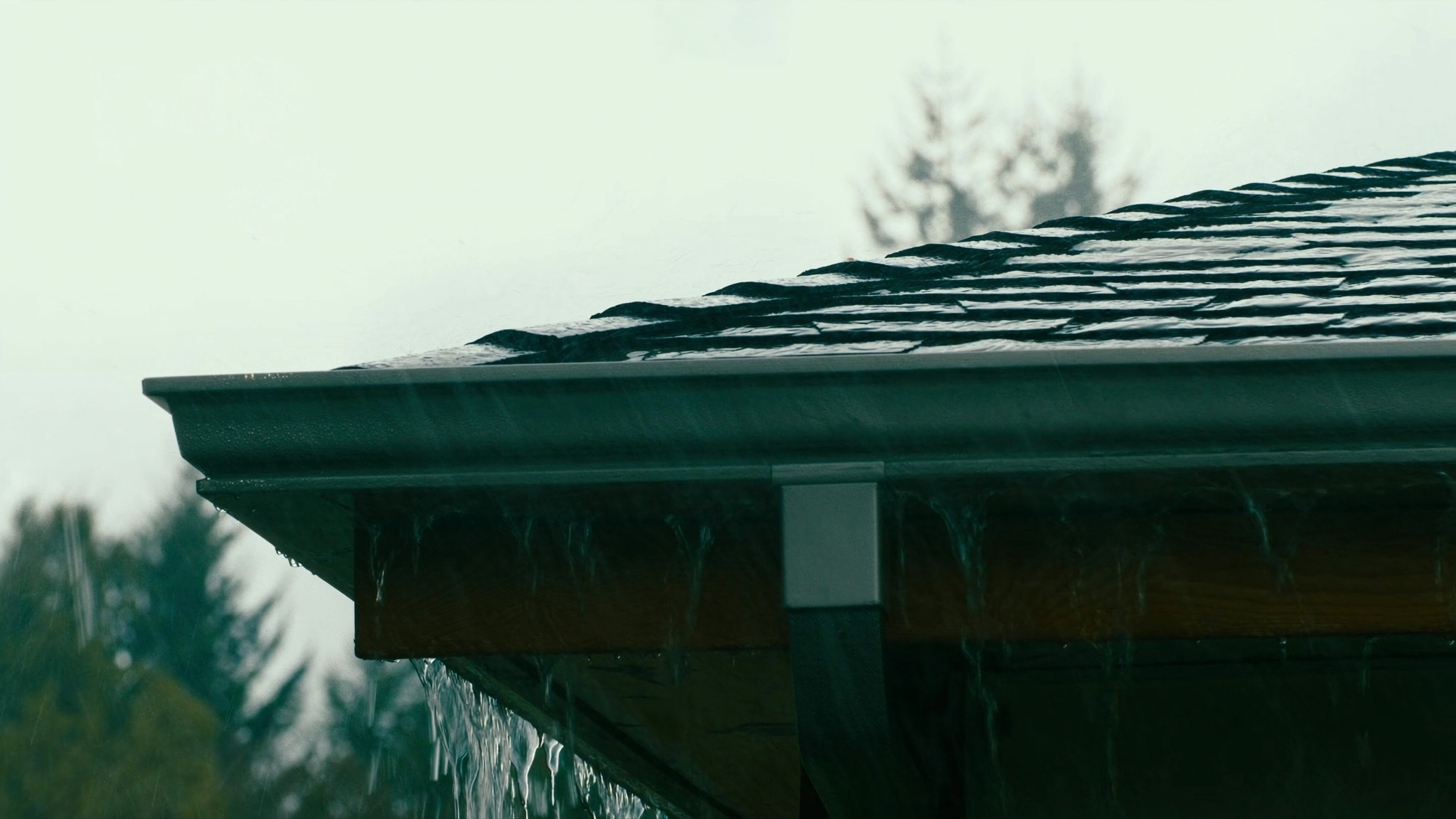
A complete fall gutter cleaning should include these steps:
- Remove all leaves, needles, and debris from every gutter run by hand or with a gutter scoop.
- Flush each section with a garden hose to clear remaining sediment and check for proper water flow.
- Inspect each downspout by running water through it from the top. If water backs up or drains slowly, the downspout likely has a blockage that needs to be cleared.
- Check all gutter seams and end caps for signs of separation or leaking during the flush.
- Look at every hanger and bracket to make sure the gutters are securely attached to the fascia board. Loose gutters sag under the weight of winter rain and debris.
- Trim any tree branches that hang directly over the roofline. These are the primary source of debris that clogs gutters throughout winter.
For homes in neighborhoods with heavy tree cover, such as parts of Lake Oswego, West Linn, Milwaukie, and the Southwest Hills, this cleaning process is especially critical. A single large bigleaf maple can drop enough leaves to fill an entire gutter system in a matter of days.
Timing Your Cleaning Right
In the Portland area, the best window for fall gutter cleaning is late October through mid November. Cleaning too early means the gutters will refill with leaves before the trees are bare. Cleaning too late puts you at risk of working in the heavy rains that typically arrive by late November.
The ideal approach for most Oregon homes is to clean gutters twice during the fall season. A first pass in mid October removes the bulk of early leaf drop and gives you a chance to spot any repair issues before the wet season. A second pass in mid to late November catches the remaining leaves and ensures everything is clear before the heaviest rainfall arrives.
If your home is surrounded by deciduous trees, that second cleaning is not optional. Skipping it means your gutters will almost certainly clog during the first major storm, which is exactly when you need them working at full capacity.
Downspout Prep and Ice Considerations
Downspouts deserve special attention during winter preparation. Each downspout should discharge water at least four to six feet away from the foundation. In Portland's clay heavy soil, water that pools near the foundation does not drain quickly and can create hydrostatic pressure against basement walls. Make sure all downspout extensions are in place and directed toward a proper drainage area, away from walkways and neighboring properties.
If your downspouts connect to an underground drain system, flush the entire line with a hose before winter. Underground drains can accumulate sediment and root intrusion over the summer months, and a blockage that goes unnoticed will cause water to back up and overflow at the gutter level during heavy rain.
While Portland rarely experiences the extreme cold that cities farther east deal with, freezing temperatures do occur several times each winter, particularly in areas at higher elevation like the West Hills, Damascus, and Sandy. When temperatures drop below freezing, any standing water in your gutters can turn to ice. Ice adds significant weight to the gutter system and can damage hangers, pull gutters away from the fascia, and create ice dams at the roof edge.
To reduce ice risk, make sure your gutters have proper slope so water drains completely rather than sitting in the channel. Gutters should slope toward the nearest downspout at a rate of about a quarter inch per ten feet. If you notice standing water in your gutters after rain, the slope may need adjustment before freezing weather arrives.
Taking the time to prepare your gutters in the fall is one of the most practical things any Oregon homeowner can do. Clean gutters, clear downspouts, and proper drainage protect your roof, your walls, your foundation, and your landscaping throughout the wettest months of the year. If you are not comfortable working on a ladder or your home has a steep roofline, calling a local gutter professional to handle the job is a worthwhile investment in your home's protection.