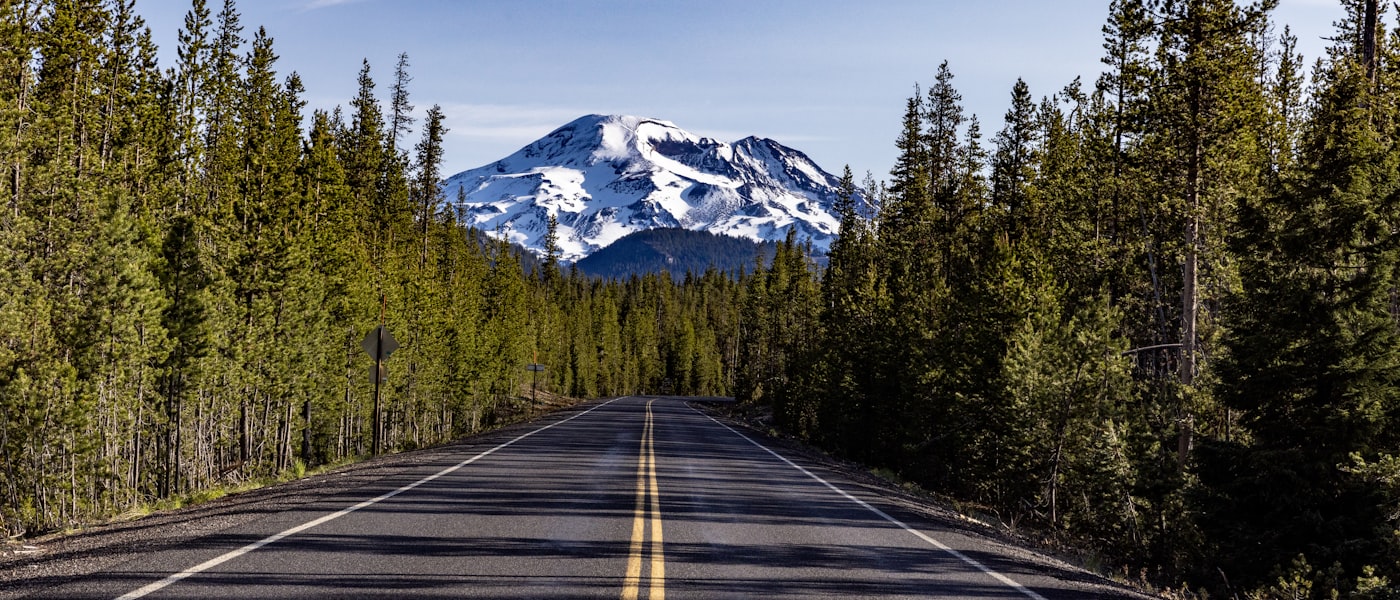
Bend's High Desert Climate Creates Unique Gutter Challenges
Bend's climate is dramatically different from the coast or valley — but it's no easier on gutters. The city averages about 12 inches of rain and over 30 inches of snow annually, with winter temperatures regularly dropping below freezing. It's the freeze-thaw cycle that does the real damage to gutter systems here.
When snow melts on a warm afternoon and refreezes overnight, water trapped in gutters expands as it turns to ice. This expansion cracks seams in sectional gutters, pushes hangers out of fascia boards, and creates ice dams at the roof edge that force meltwater under shingles. Seamless gutters eliminate the weakest point — the seams — from this equation.
Bend's ponderosa pine forests create another problem: needles. Pine needles are thin enough to pass through standard gutter screens but large enough to accumulate into dense mats that block water flow. Juniper berries and bark debris add to the mix. Standard gutter guards designed for broadleaf debris often fail completely in Bend's conifer environment.