Winter in Oregon is when your gutter system works the hardest. Months of heavy rain, occasional ice storms, and wind driven debris put more stress on gutters than any other season. A gutter problem that starts small in November can become a major repair by March if it goes unnoticed. This checklist will help you catch issues early, either from the ground or with a quick visual inspection after a storm.
You do not need to climb a ladder for most of these checks. Many signs of gutter trouble are visible from ground level if you know what to look for. Walk the perimeter of your home after any significant storm and look for these warning signs.
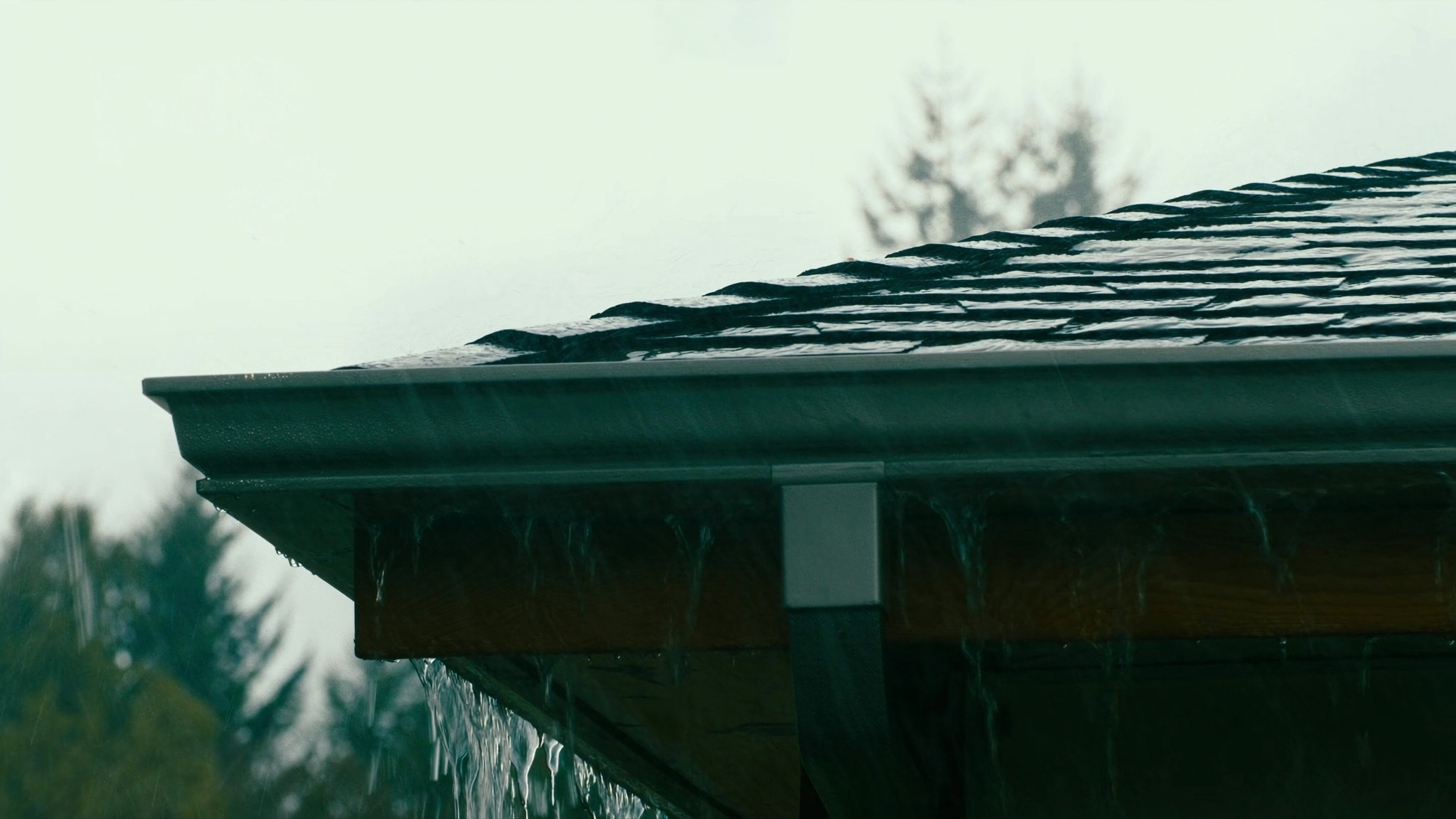
Post Storm Inspection Checklist
After a heavy rain or wind event, take 15 minutes to walk around your house and check the following items. Catching a problem the day after a storm is always cheaper than discovering it months later.
- Look along every gutter run for sagging. Gutters should follow a straight line with a slight slope toward the downspouts. If you see a section that dips lower than the rest, a hanger has likely pulled loose or the fascia behind it has softened. Sagging traps standing water, which adds weight and makes the sag worse over time.
- Check for overflow marks. Look at the ground directly below each gutter run. If you see splash erosion, mulch displacement, or mud splatter on your siding, water spilled over the edge during the storm. This usually means a clog, but it can also mean the gutter is undersized for that section of roof.
- Inspect the downspout outlets. Water should exit cleanly from the bottom of each downspout and flow away from the foundation. If water is pooling at the base or the downspout extension has been knocked loose, correct it immediately. Water pooling near the foundation is the fastest path to basement moisture and structural damage.
- Look for debris on the ground near downspouts. If you see clumps of leaves, needles, or shingle grit on the ground near a downspout outlet, the system is flushing debris, which is good. But if you see almost no water exiting during a rainstorm, the downspout may be clogged higher up.
- Check for water stains on fascia and soffit. Stains below gutter seams, end caps, or corners indicate slow leaks that drip during every rain event. These leaks rot fascia wood over time and can lead to expensive repairs if ignored.
- Look at gutter seams and corners. If you can see daylight through a seam from the ground, or if you notice dripping at a corner joint during rain, the sealant has failed and needs to be reapplied.
Signs of Ice Damage
Portland does not get extreme cold as often as cities further east, but ice storms and freezing temperatures do occur several times each winter. When they happen, gutters take a beating. Ice is heavy, and when water freezes inside a gutter trough, the expanding ice pushes against the walls of the gutter, the end caps, and the seams. Here are the ice damage signs to look for:
- Expanded or opened seams. If a gutter seam that was previously tight now has a visible gap, ice likely expanded inside the trough and pushed the joint apart. This will leak during every future rain until it is resealed.
- Bent or deformed hangers. Gutter hangers are designed to hold the weight of a full gutter of water, but a gutter packed with ice can weigh three to four times as much. Hangers that have bent downward or pulled away from the fascia need to be replaced before the next storm adds more weight.
- Cracked end caps. Ice expanding against an end cap can crack the aluminum or break the sealant bond. If an end cap looks pushed outward or has a visible crack, it needs immediate attention.
- Icicles forming along the gutter edge. Icicles are a sign that water is overflowing the front lip of the gutter and freezing as it drips. This usually means the gutter is clogged or the slope has shifted, preventing water from reaching the downspout before it freezes.
- Ice dams at the roofline. If ice builds up at the edge of your roof and extends into or over the gutter, the gutter is at risk of being torn off the fascia by the weight. Ice dams are a roofing issue as much as a gutter issue, and they need professional attention.
When to Call a Professional
Many of the items on this checklist are things you can observe and monitor from the ground. But some problems require a professional response, and trying to fix them yourself during winter weather creates safety risks that are not worth taking. Call a gutter professional if you see any of the following:
- A full section of gutter has pulled away from the fascia and is hanging by one or two hangers
- Ice dams have formed and water is backing up under your shingles
- A downspout is completely blocked and water is cascading over the gutter edge during rain
- Fascia board is visibly rotted or soft to the touch behind a leaking gutter section
- Multiple hangers have failed on the same run, causing the gutter to sag or twist
During an active storm, the safest response to an overflowing gutter is to place a bucket or tarp to redirect water away from the foundation until the storm passes. Climbing a ladder during rain or ice is dangerous and should be avoided. Once the weather clears, a professional can access the system safely and make repairs before the next event.
Running through this checklist after every major winter storm takes less than 20 minutes and can save you hundreds or thousands of dollars in water damage repairs. The key is catching problems while they are still small. A loose hanger is a quick fix. A collapsed gutter that has been ripping at the fascia for three months is not.