Oregon's weather can be rough on gutters. Wind storms that sweep through the Columbia River Gorge and across Oregon's coast bring down tree limbs that crush gutter sections. Ice storms coat gutters with weight they were never designed to carry. Heavy, sustained rainfall pushes debris loads to the breaking point, causing gutters to pull away from the fascia or collapse entirely. When storm damage hits your gutter system, your homeowner insurance policy may cover the repair or replacement cost, but the claims process requires proper documentation and the right approach.
What Insurance Typically Covers
Most standard homeowner insurance policies cover sudden and accidental damage caused by specific perils, including wind, hail, falling trees, and ice. If a storm event damages your gutters, the repair or replacement is generally covered under your dwelling coverage, subject to your deductible.
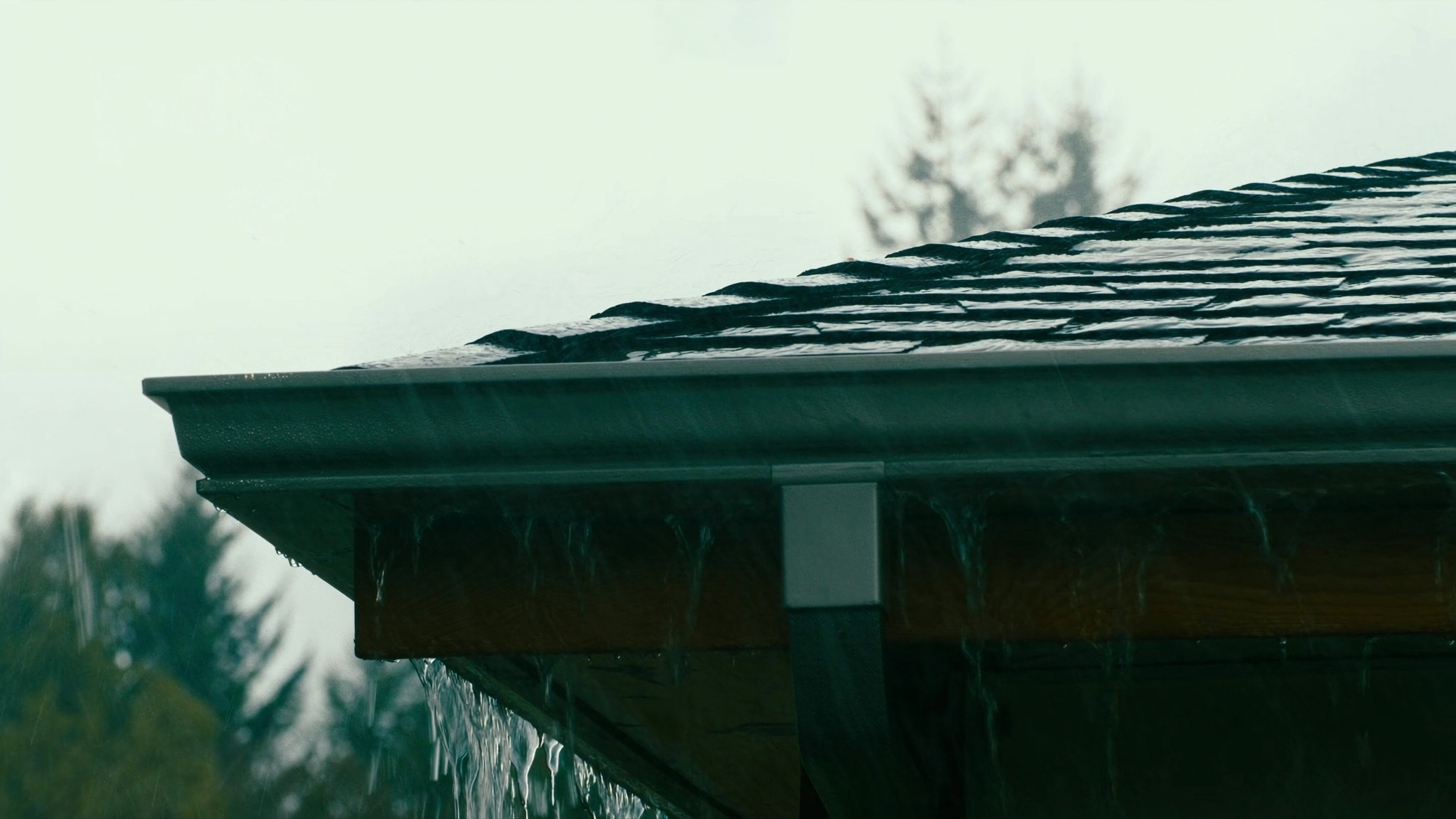
The key word in insurance claims is "sudden." Insurance covers damage that happened as the result of a specific storm event, not damage that accumulated gradually over time. Gutters that have been sagging for years because the hangers are worn out, or gutters that have corroded through after decades of use, are considered maintenance issues and will not be covered. The damage needs to be traceable to a specific weather event.
The following types of gutter damage are generally covered by homeowner insurance in Oregon.
- Gutter sections crushed or torn off by fallen tree branches during a wind event
- Downspouts ripped from the wall by high winds or falling debris
- Gutters pulled away from the fascia due to ice accumulation and the associated weight
- Hail damage that dents or perforates the gutter material
- Fascia board damage caused by a storm related gutter failure
Damage that is typically not covered includes normal wear and tear, rust or corrosion over time, clogging from lack of maintenance, and damage caused by pests or animals. If your gutters were already in poor condition before the storm, the adjuster may determine that the storm was not the primary cause of the failure, which can result in a denied or reduced claim.
Documenting the Damage
The strength of your insurance claim depends almost entirely on your documentation. The more thoroughly you document the damage, the timeline, and the associated storm event, the smoother the claims process will be.
Start by taking photographs and video as soon as it is safe to go outside after the storm. Capture the damaged gutter sections from multiple angles, including close ups of the damage itself and wider shots that show the context, such as a fallen branch still resting on the crushed gutter section. Photograph any related damage to the fascia, soffit, siding, or roofing that occurred at the same time. If tree debris caused the damage, photograph the tree and the branch before they are removed.
Document the date and time of the storm. Check local weather records or news reports that describe the event. The National Weather Service office in Portland issues storm summaries and wind advisories that can serve as supporting documentation for your claim. If the storm triggered weather warnings or advisories for your area, note those as well. This establishes that a covered peril occurred on a specific date, which is exactly what the insurance company needs to process the claim.
Write a brief description of the damage while it is fresh in your mind. Note which sections of gutter are affected, approximately how many linear feet are damaged, whether downspouts were affected, and whether the damage extends to other parts of the home. This description will be useful when you file the claim and when the adjuster visits the property.
Do not make permanent repairs before the adjuster inspects the damage, if possible. Temporary measures to prevent further damage, such as placing a tarp to redirect water or propping up a sagging section, are fine and actually expected by insurance companies. But replacing the damaged gutters before the adjuster sees them can complicate the claim because the insurance company loses the ability to verify the extent and cause of the damage.
Working with Adjusters and Contractors
Once you file the claim, the insurance company will assign an adjuster to inspect the damage. The adjuster's job is to verify that the damage occurred, determine whether it is covered under your policy, and estimate the repair cost. Being prepared for this visit makes a significant difference in the outcome.
Before the adjuster arrives, get a written estimate from a licensed gutter contractor. The estimate should detail the work required, including removal of damaged sections, materials, labor, and any related repairs to fascia or other components. Having a professional estimate gives the adjuster a baseline to work from and demonstrates that you have had the damage assessed by someone qualified to evaluate it.
Be present during the adjuster's inspection if possible. Walk them around the house and point out each area of damage. Show them your photographs, especially any that document conditions immediately after the storm. If the adjuster's assessment differs significantly from your contractor's estimate, ask for a written explanation of the difference. You have the right to request a re inspection or to provide supplemental documentation if you believe the initial assessment was too low.
Keep in mind that your deductible applies to the total claim, not to each individual item. If your deductible is $1,000 and the gutter replacement costs $2,500, you will receive $1,500 from the insurance company. For smaller gutter repairs that fall below or near your deductible amount, filing a claim may not be worthwhile because the payout will be minimal and the claim goes on your record.
The timeline for claim resolution varies, but most Oregon homeowner claims are resolved within two to four weeks after the adjuster's inspection. Once the claim is approved, you can proceed with the repair or replacement using the contractor of your choice. You are not required to use any contractor recommended by the insurance company, and you should choose someone who specializes in gutter work and is familiar with insurance documentation requirements.
If a major storm has recently hit the Portland area, expect higher demand for both adjusters and gutter contractors. Filing your claim promptly and having your documentation ready helps move the process along, even when everyone else is doing the same thing.