Hiring a gutter installer is one of those decisions that seems simple until something goes wrong. A poorly installed gutter system can send water straight into your foundation, rot your fascia boards, or pull away from the house within a few years. In Oregon, where homes deal with months of steady rain, the quality of the installation matters even more than the materials themselves. Asking the right questions before you sign a contract can save you thousands of dollars and years of frustration.
The Portland metro area has no shortage of contractors willing to hang gutters. Some are experienced professionals who have been working in the region for decades. Others are general handymen or roofing crews who install gutters as a side service. Knowing how to tell the difference starts with a few direct questions.
Licensing, Insurance, and Oregon Requirements
Oregon requires all contractors performing work over a certain dollar threshold to hold an active license with the Construction Contractors Board, commonly referred to as the CCB. This is not optional. A CCB license means the contractor has met bonding requirements, carries the minimum insurance the state demands, and is registered as a legitimate business. You can verify any contractor license on the CCB website in seconds by searching their name or license number.
Ask every installer for their CCB number before they set foot on your property. If they hesitate or say they do not need one, walk away. Unlicensed work leaves you exposed. If something goes wrong during or after the installation, you have no recourse through the state and your homeowner insurance may not cover the damage.
Beyond the license, ask about their insurance coverage. You want to confirm they carry both general liability insurance and workers compensation coverage. General liability protects your property if the crew damages your siding, landscaping, or roof during the job. Workers compensation protects you from liability if a worker is injured on your property. Ask for a certificate of insurance and verify it is current. A reputable installer will provide this without hesitation.
Warranty, Materials, and the Estimate
Not all gutter warranties are the same. Some installers offer a warranty on materials only, which means the aluminum itself is covered but the labor and installation quality are not. Others offer a workmanship warranty that covers issues like leaking seams, improper slope, or failed hangers. Ask specifically what the warranty covers, how long it lasts, and whether it is transferable if you sell your home.
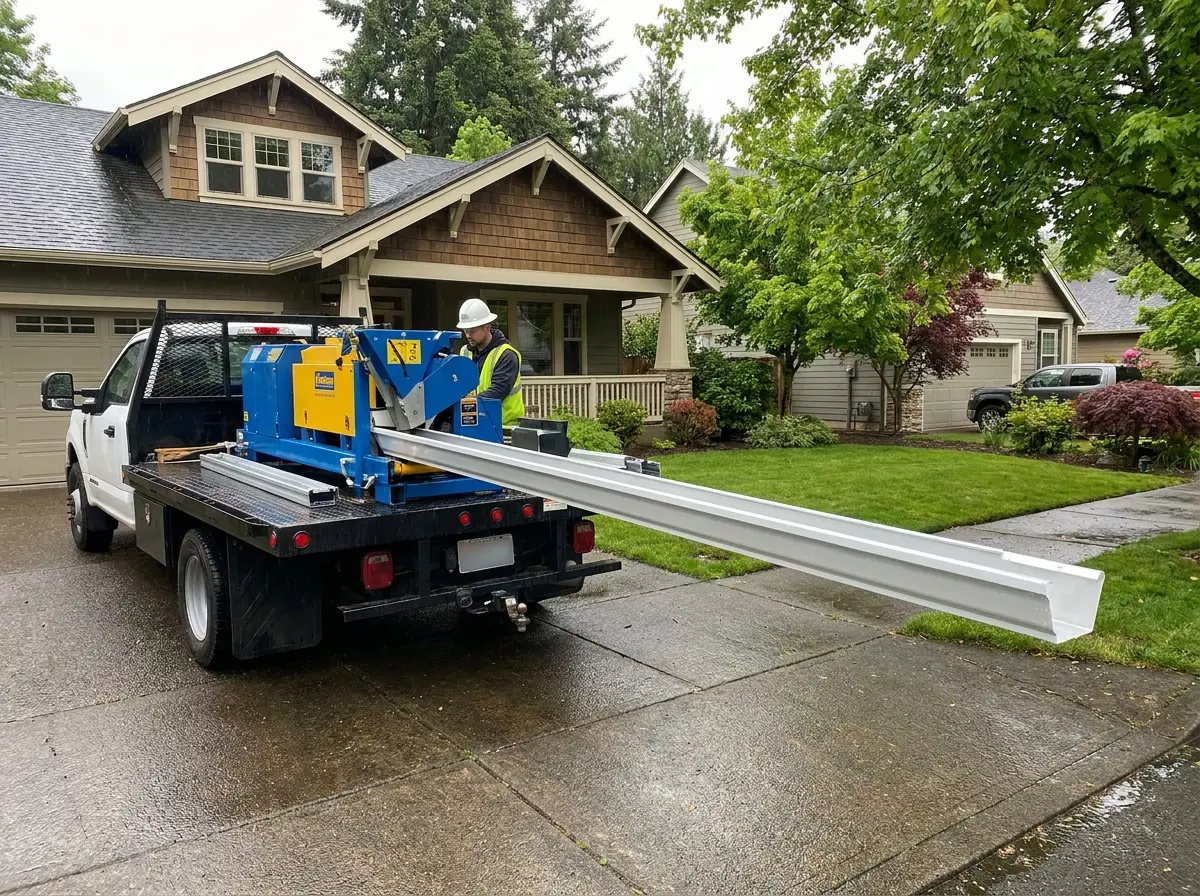
The materials question is worth exploring in detail. Ask what gauge aluminum they use. Standard residential gutters come in .027 inch thickness, while heavier .032 inch material holds up better in areas with heavy tree coverage or snow loads. Ask whether the gutters are seamless or sectional. Seamless gutters are formed on site from a continuous coil, which means fewer joints and fewer potential leak points. Sectional gutters are pre cut pieces joined together, and every joint is a future maintenance concern.
When you receive an estimate, look for line items. A professional estimate should break out materials, labor, downspout count, hanger spacing, and any extras like splash blocks or underground drainage connections. A single lump number with no detail makes it impossible to compare bids or understand what you are paying for. If an installer gives you a verbal quote without measuring your home, that is a red flag worth noting.
Ask how they handle the old gutter removal. Some companies include removal and disposal in their price. Others charge extra. Some leave the old gutters in your yard for you to deal with. Get this in writing before work begins.
References, Red Flags, and Why Local Matters
Ask for references from recent jobs in the Portland area. Ideally, you want to see work that has been through at least one full Oregon rainy season. A gutter system can look perfect on a dry day in July but fail completely during a November downpour. If a contractor cannot provide local references, that tells you something about their experience in this climate.
Online reviews are helpful but should not be your only source of information. Look at the pattern of reviews rather than individual complaints. Every company has a few unhappy customers, but consistent complaints about the same issues, such as poor communication, missed appointments, or water problems after installation, suggest a systemic problem.
There are several red flags to watch for during the hiring process. Be cautious of any installer who demands full payment before starting the work. A reasonable deposit is normal, but paying in full before the job is done removes your leverage if problems arise. Be wary of door to door salespeople who pressure you into signing immediately with a limited time discount. Legitimate companies do not need to pressure homeowners into snap decisions.
Hiring a local company based in the Portland metro area gives you a practical advantage. Local installers understand the specific drainage challenges that come with Oregon soil conditions, the heavy clay in many neighborhoods, and the particular demands of the Willamette Valley climate. They are also easier to reach if you need warranty service years later. A company with a local address and a local reputation has every reason to do the job right because their next customer is probably your neighbor.
Take your time, ask these questions, and compare at least three bids before making your decision. The right installer will welcome your questions because they know their answers hold up to scrutiny.