If you own or manage a commercial building in the Portland metro area, there is a good chance your property uses box gutters rather than the standard K style gutters found on most residential homes. Box gutters are a different category of gutter system designed to handle the much larger volumes of water that commercial roofs produce. They look different, they are built differently, and they require a different approach to maintenance and repair.
Understanding how box gutters work, how they are sized, and what problems to watch for can save commercial property owners thousands of dollars in emergency repairs and water damage restoration. This guide covers the essentials that every building owner and property manager in Oregon should know.
What Box Gutters Are and How They Differ from Residential Gutters
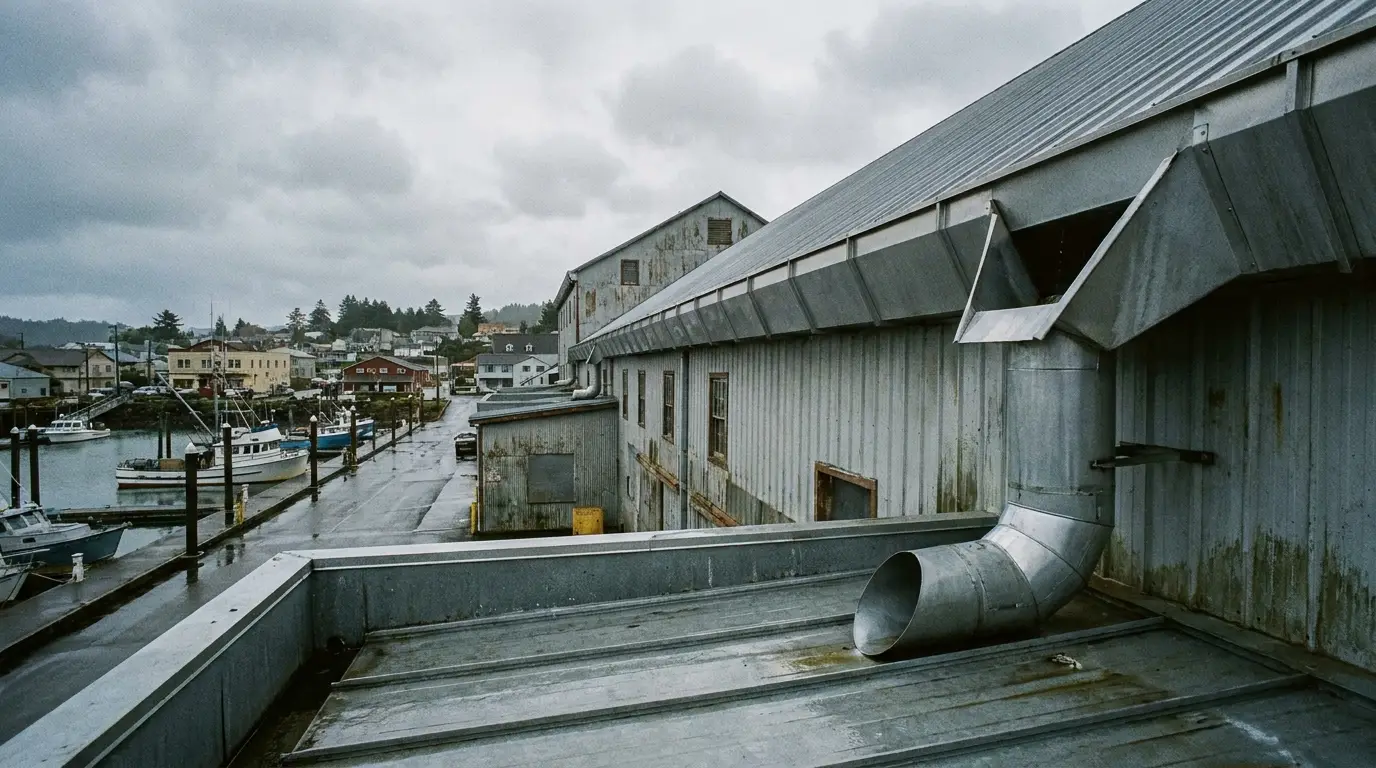
A box gutter is a rectangular or square shaped channel that is built into the structure of the building rather than hung from the edge of the roof. Unlike residential K style or half round gutters that attach to the fascia board and are visible from the ground, box gutters sit within the roofline itself. They are typically integrated into the parapet wall, the roof deck, or the transition between two roof sections.
The name comes from their cross section shape. When you look at a box gutter from the end, it forms a rectangular box or trough. The sides are usually six to twelve inches tall, and the bottom can be eight to twenty four inches wide depending on the drainage requirements. This gives box gutters significantly more capacity than residential gutters, which is necessary because commercial roofs are often much larger and collect far more water per square foot of gutter run.
Box gutters are typically fabricated from heavier gauge materials than residential gutters. Common materials include galvanized steel, copper, stainless steel, and aluminum. Many older commercial buildings in Portland's inner neighborhoods and industrial districts have box gutters made from soldered copper or lead coated steel that have been in service for 50 years or more.
The internal structure of a box gutter is more complex than a standard residential gutter. Box gutters often include a built in slope created by the framing underneath, internal bracing to support the weight of water during heavy storms, and a waterproof membrane or liner that covers the wood structure beneath the metal channel. This liner is critical because any leak in a box gutter sends water directly into the building structure rather than onto the ground outside.
Sizing and Capacity
Proper sizing is one of the most important factors in box gutter performance. A box gutter that is too small for the roof area it serves will overflow during heavy rain, causing water damage to the building interior. Oregon's climate makes this calculation especially important because Portland regularly receives sustained heavy rainfall that can overwhelm an undersized system.
Box gutter sizing is based on several factors:
- The total roof area draining into the gutter, measured in square feet
- The local rainfall intensity, measured in inches per hour for a given return period
- The length of the gutter run from the high point to the nearest drain or downspout
- The slope of the gutter, which determines how quickly water flows to the drain
- The number and size of drain outlets or downspouts serving the gutter
In the Portland metro area, engineers typically design box gutters to handle a rainfall intensity of at least 2 inches per hour, which corresponds to a 25 year return period storm. Some critical applications such as hospitals, data centers, and buildings with sensitive interior equipment are designed to a higher standard of 3 or 4 inches per hour.
The drains or downspouts connected to box gutters are also larger than residential equivalents. While a residential downspout is typically 2 by 3 inches or 3 by 4 inches, commercial box gutter drains are often 4 inch, 6 inch, or even 8 inch diameter round pipes. These large drains are necessary to move the volume of water that a commercial roof generates during a heavy storm.
Common Problems and Maintenance
Box gutters require regular maintenance to function properly, and the consequences of neglect are more severe than with residential gutters. Because box gutters are built into the structure, any failure sends water into the building rather than simply overflowing to the ground. A single clogged drain during a heavy Portland rainstorm can flood the interior of a commercial space within minutes.
The most common box gutter problems in Oregon include:
- Clogged drains from accumulated leaves, moss, and debris. Commercial buildings near trees need cleaning at least twice per year, and buildings in heavily wooded areas may need quarterly cleaning.
- Failed waterproof membrane or liner beneath the metal gutter. Over time, the membrane cracks, separates, or deteriorates, allowing water to seep into the wood framing below. This is the most expensive repair because it requires removing the metal channel, replacing the membrane, and reinstalling the gutter.
- Rust and corrosion on older galvanized steel box gutters. Once the zinc coating wears through, steel corrodes quickly in Oregon's wet climate. Pinhole leaks develop first, then expand into larger openings.
- Joint and seam failures where sections of the gutter connect. Sealant and solder joints break down over time, especially when the gutter expands and contracts with temperature changes.
- Ponding water from insufficient slope or settled framing. If the gutter framing settles or shifts over the decades, low spots develop where water stands instead of flowing to the drain. Standing water accelerates corrosion and adds weight stress to the structure.
Preventive maintenance is far less expensive than emergency repair. A professional cleaning and inspection twice per year keeps drains clear, identifies early signs of liner failure or corrosion, and catches small problems before they become emergencies. For Portland area commercial buildings, scheduling these visits in October and March covers the two most critical periods of the year.
Brothers Gutters Oregon provides commercial box gutter cleaning, inspection, and repair services throughout the Portland metro area. Whether you manage a single commercial building or a portfolio of properties, we can set up a maintenance schedule that protects your investment. Contact us for a commercial gutter assessment.